
Inverter Battery
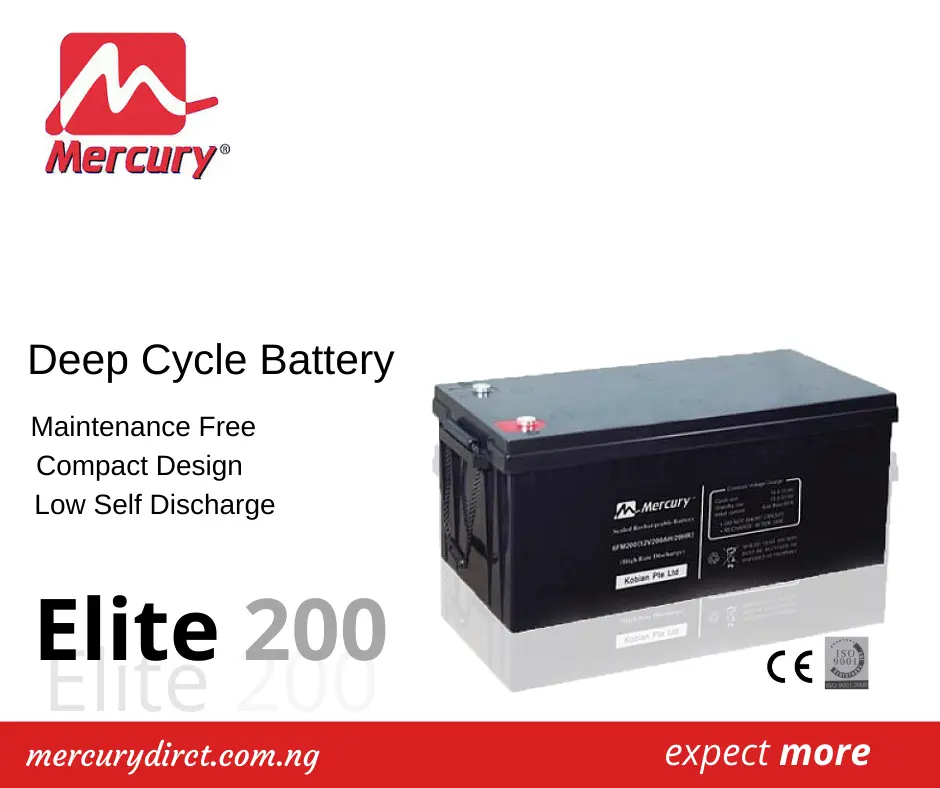
What Makes a Real Inverter Battery?
If you’ve ever had your lights flicker off in the middle of cooking dinner, you know how critical a backup system is. An inverter battery isn’t just a souped‑up car battery; it’s designed with thicker lead plates and sturdier internals so it can discharge deeply and recharge day after day. When NEPA takes light, a quality inverter battery keeps your home humming—no fumes, no noise, just peace of mind that your fridge, fans and lights will stay on. Mercury batteries are built with Nigerians in mind, meant to handle our frequent outages without missing a beat.
Mercury Battery – The Name Nigerians Trust Since 2015. Over the last decade, we’ve supplied more than 10,000 households and businesses with dependable inverter batteries. Whether you choose our premium AGM, advanced GEL, or robust TUBULAR technology, each battery is engineered to stand up to our hot climate and frequent grid failures. We design them for Nigerian homes and businesses, not just generic global standards.
Why Inverter Batteries Matter in Nigeria
Think of an inverter battery as the heart of your backup power system. It stores energy when PHCN is available and releases it steadily when the lights go off. Unlike your car battery, which delivers a quick burst of power to start your engine, inverter batteries are built to provide hours of continuous electricity. They have thicker plates, more active material and stronger separators that allow them to handle deep discharges without failing.
Here in Nigeria, where the grid can be more unpredictable than a rainy season forecast, having a reliable inverter battery isn’t a luxury it’s a necessity. These batteries make sure your kids can still do their homework during an outage, your freezer doesn’t spoil your week’s groceries, and your business doesn’t lose customers because of a blackout. A quality inverter battery cushions you against the uncertainties of our power supply.
The way these batteries are put together matters. Instead of the thin one‑to‑two‑millimetre plates you find in car batteries, inverter batteries use plates that are roughly three or four times thicker. That gives them the strength and surface area to go through hundreds of charge and discharge cycles without falling apart. When you pick a battery made for inverters, you’re investing in hardware that’s built for long, steady performance not just quick bursts.
Why Nigerians Choose Mercury Batteries
- ✓ Trusted by Your Neighbours: More than 10,000 households and businesses rely on Mercury batteries every day.
- ✓ Built for Hot Climates: Special electrolytes mean our batteries don’t dry out or fail when temperatures hit 40°C.
- ✓ Tolerates Deep Discharge: Designed to handle up to 80 % discharge without ruining the battery.
- ✓ Long Life Expectancy: Our models deliver between 1,200 and 2,000 cycles, so you replace them less often.
- ✓ Stable Voltage: Keeps your inverter happy by maintaining consistent voltage right up to the end of the cycle.
- ✓ Low Self‑Discharge: Lose less than 3 % of capacity per month when not in use—ideal if you travel or your inverter sits idle.
- ✓ Options for Everyone: Choose between maintenance‑free sealed batteries or serviceable designs depending on your needs.
- ✓ Corrosion Resistant: Enhanced grid alloys help our batteries resist sulfation and last longer in humid conditions.
A Closer Look at Battery Technologies
AGM Inverter Batteries
AGM stands for Absorbent Glass Mat a fancy way of saying the electrolyte is locked into a fibre mat between the plates instead of sloshing around as liquid. This design means the battery won’t leak or spill, and you can even mount it on its side. For homes with limited space or families who don’t want to worry about checking water levels, AGM is a great low‑maintenance choice.
Because the electrolyte is immobilized, AGM batteries have low internal resistance and can deliver high currents quickly. That’s handy when PHCN returns for only a few hours and you need to charge your bank fast. Mercury AGM batteries use high‑purity lead and precision‑made separators to maximize performance. Their sealed nature also makes them resistant to vibration and temperature swings, which is helpful in Nigeria’s varying climate.
GEL Inverter Batteries
If AGM batteries use glass mats, GEL batteries use a silica‑based gel to hold the electrolyte in place. The gel stays put, doesn’t stratify and resists evaporation. That makes GEL batteries incredibly steady across wide temperature ranges perfect for unventilated storage rooms or warm environments like ours. They’re also spill‑proof, so you don’t have to worry about acid leaks.
Mercury’s GEL batteries feature a high‑quality silica mix that improves ionic conductivity while keeping the gel stable during deep cycles. They recover well from deep discharges and don’t mind being stored for long periods without losing much capacity. If you want a battery that’s safe indoors and doesn’t need any maintenance, GEL is a solid option.
Tubular Inverter Batteries
For heavy duty backup power, only lithium outperforms a tubular batter. Instead of flat plates, tubular batteries have long, cylindrical spines encased in woven polyester tubes. This design keeps the active material in place even when the battery is deeply cycled. The result is a battery that can handle thousands of charge‑discharge cycles without losing capacity.
Because of their robust build, tubular batteries are ideal for homes and businesses that experience extended outages or heavy loads think two freezers and a water pump. Mercury tubular batteries use advanced plate alloys and manufacturing processes to extend service life. They do require occasional topping up with distilled water, but in return they deliver years of reliable service.
Lithium Battery Technology
When it comes to backup power, lithium batteries are in a league of their own. They’re not just an upgrade they’re a complete shift in how we think about energy storage. Unlike old-school lead-acid batteries, lithium systems deliver steady, reliable voltage from start to finish. That means no annoying dips in performance as your battery drains your appliances just keep running smoothly.
But what really makes lithium stand out is its lifespan. A good lithium battery can handle up to 6,000 charge cycles and still retain over 80% of its original capacity. In plain terms? That’s more than 10 years of daily use without missing a beat. Plus, they’re super lightweight, about 70% lighter than those heavy tubular batteries,which makes installation and handling a whole lot easier.
Lithium batteries also play well with solar. They actually like being charged and discharged in small amounts throughout the day, which is exactly how solar power works. And thanks to the built-in battery management system (BMS), you don’t have to stress about maintenance. No topping up water, no fiddling with equalization, no testing. just plug it in and let it do its thing.
| Battery Type | Capacity Range | Cycle Life | Maintenance | Price Range (₦) |
|---|---|---|---|---|
| AGM Battery | 100 Ah – 200 Ah | 900 cycles | None | 140,000 – 280,000 |
| GEL Battery | 100 Ah – 200 Ah | 1000 cycles | None | 240,000 – 380,000 |
| Tubular Battery | 150 Ah – 220 Ah | 1200 cycles | Top up water | 120,000 – 280,000 |
| Lithium Battery | 100 Ah – 300 Ah | 6,000 cycles | None | 900,000 – 2,900,000 |
Choosing the Right Battery Size
Choosing the right battery isn’t just about picking the one with the highest amp-hour rating you can afford. Start by listing the appliances you’ll want to run during a power outage — things like bulbs, fans, a TV, maybe a small freezer. Add up their total wattage, then figure out how many hours you need them to stay on. That gives you your total energy need in watt-hours.
But here’s the right way to check if a battery can handle it: Let’s say you have a 200Ah battery bank and a 24V inverter system. Multiply like this: 200Ah × 24V × 0.8 (depth of discharge) × 0.8 (system efficiency) ÷ 500W (your total load) = about 6 hours of backup. So instead of guessing, you’re working with real numbers that match your system’s setup.Remember, deep‑cycle batteries last longer if you avoid draining them completely. Aim to use only 50–60 % of their capacity daily. That means a 200 Ah battery really gives you about 100–120 Ah of usable energy. Going for a slightly larger bank reduces the depth of discharge and extends battery life.
The system voltage matters too. Small 1 kVA inverters can run on a 12 V battery, but larger setups should be 24 V or 48 V to reduce current flow and cable thickness. Higher voltages mean fewer batteries connected in parallel, which improves efficiency and reliability.
Mercury Inverter Battery Selection
-

Mercury Inverter Battery 65Ah
₦95,000.00 Add to cart -
Mercury 100Ah Battery
₦240,000.00 Add to cart -
Mercury Deep Cycle Battery 200ah
₦383,000.00 Add to cart -

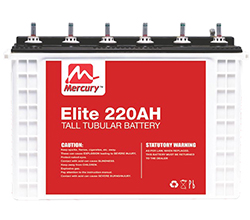
MERCURY ELITE 220AH DEEP CYCLE TALL TUBULAR BATTERY
₦260,000.00 Add to cart -
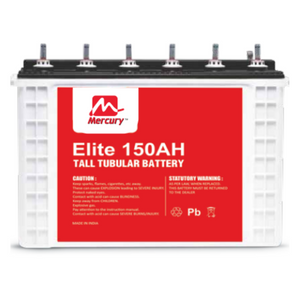
MERCURY ELITE 150AH DEEP CYCLE TALL TUBULAR BATTERY
₦145,000.00 Read more -
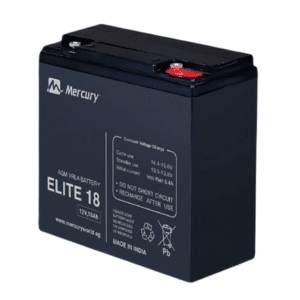
Mercury Elite 18ah 12V Deep Cycle Battery
₦61,000.00 Add to cart -
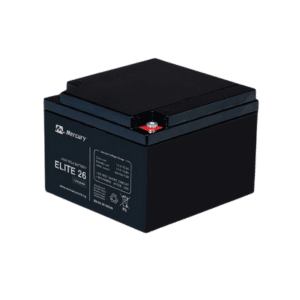
Mercury Elite 26ah 12V Deep Cycle Battery
₦89,000.00 Add to cart -
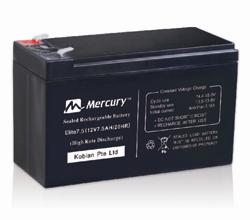
Mercury UPS Replacement Battery 7.5Ah 12V
₦30,000.00 Add to cart
Installation & Maintenance Tips
Proper installation is just as important as buying the right battery. Choose a cool, well ventilated spot, heat shortens battery life. Ensure terminals are clean and connections tight to avoid power losses or fires. If you’re using tubular batteries, check electrolyte levels every few months and top up with distilled water as needed. Never overfill; keep the level just above the plates.
If your inverter room gets hot, consider a small fan to keep air moving. Temperature affects how your battery charges; if your charge controller has temperature compensation, make sure it’s enabled. Mercury’s team can help you install your system correctly and show you how to monitor the health of your battery bank.
Our Support Services
- Site assessment and customized battery bank design
- Professional installation with attention to safety and ventilation
- System testing and training on proper usage
- Scheduled maintenance to keep your batteries healthy
- 24/7 technical support via phone and WhatsApp
- Warranty service and trade‑in options when it’s time to upgrade
Frequently Asked Questions
Car batteries are designed for short bursts of high current to start an engine; they have thin plates and don’t like being discharged deeply. Inverter batteries use much thicker plates and are built to deliver steady power over many hours. They’re meant for regular deep cycling, which would quickly ruin a car battery.
With proper care, our AGM and GEL batteries last around 4–7 years. Tubular models can go 7–10 years if you keep them topped up and avoid deep discharging daily. Lithium batteries last longest, often a decade or more.
Absolutely. Inverter batteries are perfect for solar setups. They store energy when the sun shines and release it when you need it. Make sure you use a charge controller designed for solar to manage the charging safely.
It depends on your load and desired backup duration. A two‑bedroom apartment running lights, fans and a small TV may get by with 400–600 Ah of battery for 4–6 hours of backup. Larger homes or those with freezers and pumps need more. We offer free sizing consultations to help you choose.
AGM, GEL and lithium batteries are maintenance‑free. Tubular batteries do require occasional water top‑ups and terminal cleaning. Regardless of type, keep your batteries charged and avoid over‑discharging to extend their life.
No. Mixing different types or even old and new batteries can cause uneven charging, leading to premature failure. Always build your bank with identical batteries bought at the same time.
We provide a two‑year warranty on all inverter batteries, covering manufacturing defects and premature capacity loss. Extended warranties are available on premium models.
Beyond Backup: How Nigerians Use Inverter Batteries
Inverter batteries aren’t just for keeping the lights on at home. Telecom towers rely on them to keep cell service active during outages. Small businesses use them to switch over from expensive diesel generators, cutting costs and noise. Even schools and clinics are turning to solar‑battery systems to ensure classes and procedures can continue regardless of the grid.
Commercial spaces are discovering new ways to use batteries to reduce electricity bills. By charging their banks when tariffs are low and discharging during peak periods, businesses can manage their demand and cut costs. In Nigeria’s tiered tariff structure, this strategy can pay off quickly.
Perhaps the biggest trend is the combination of solar panels and inverter batteries. The cost of solar panels has dropped dramatically, making solar‑battery systems attractive for both urban and rural areas. As long as you have sunlight, you can produce and store your own electricity, reduce reliance on diesel, and enjoy quiet, clean power.
What’s Next for Inverter Batteries?
The future of energy storage looks bright. Lithium iron phosphate batteries are becoming more affordable and offer incredible cycle life and safety. Smart battery management systems are now standard, monitoring temperature, voltage and current in real time to keep your bank healthy. Soon, you’ll be able to see battery performance on your phone and receive alerts if something goes wrong.
IoT integration is making remote monitoring and management accessible even to small businesses. You can check your battery charge from anywhere and schedule maintenance before issues arise. Artificial intelligence is even starting to predict how long your bank will last based on usage patterns.
Why Mercury Direct?
We’ve built our reputation on trust, expertise and a genuine commitment to solving Nigeria’s power problems. Our team doesn’t just sell batteries; we design complete power solutions tailored to your needs. We test every product rigorously to ensure it stands up to our weather and grid conditions, and we stock only technology we would use ourselves.
Our engineers are trained to international standards but live and work here in Nigeria. They understand what it’s like to lose power mid‑match or how critical refrigeration is to your pharmacy. That local knowledge, combined with global partnerships, allows us to deliver the best inverter batteries available.
From Abuja to Enugu, our network of dealers and service centers ensures you always have access to support. When you invest in Mercury, you’re not just buying a battery—you’re joining a community that values reliability and service.
To learn more about selecting and caring for your battery bank, explore our in‑depth guide on choosing the right inverter battery or read our maintenance tips for Nigeria’s climate. We’re here to help you power your home or business with confidence.